Unlocking Visual Charm with Decorative Elements
When your design needs a spark of personality—a flourish that words alone can't achieve—turning to a dingbat font like Decorative Elements is a strategic move. This isn't just a random collection of symbols; it's a carefully curated premium font toolbox. Think of it as your secret weapon for instant visual impact. Unlike generic clip art, these symbols are designed with a unified aesthetic, ensuring that every star, swirl, or botanical sprig you add feels cohesive with your overall brand identity. For a busy entrepreneur or marketer, this means you can quickly elevate a social media graphic or a presentation slide without spending hours searching for the perfect icon.
The Visual Personality of Decorative Elements
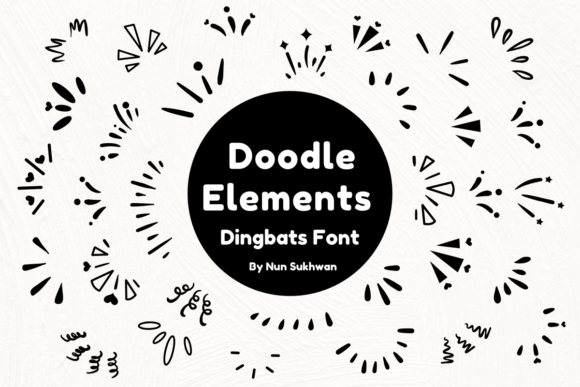
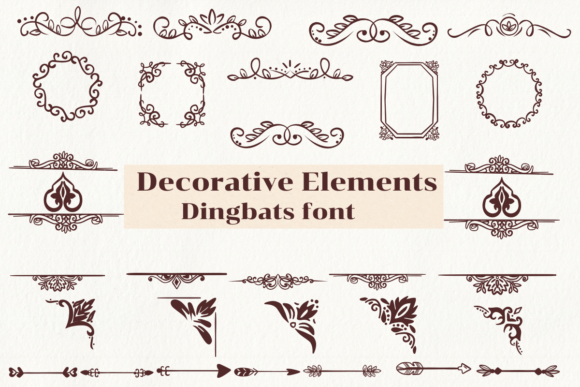
So, what does Decorative Elements actually look like? This creative font typically features a mix of elegant lines, playful shapes, and versatile motifs. Its personality is often a blend of sophistication and approachability, making it far more adaptable than a highly stylized, niche script font or a rigid sans serif font. The appeal lies in its ability to act as a supporting player. It doesn't shout for attention like a bold display font; instead, it whispers a refined detail that makes the main message shine. This character makes it a fantastic design asset for professionals who value nuance over novelty.
The style leans towards modern typography sensibilities—clean enough for digital use but with enough detail to hold its own in print. You'll find it influences the entire feel of a piece. Adding a delicate divider from Decorative Elements between sections of an editorial design can guide the reader's eye and improve visual hierarchy without cluttering the layout. It's the difference between a plain text box and one that feels intentionally crafted, which directly impacts audience engagement and professionalism.
Where to Deploy These Handy Symbols
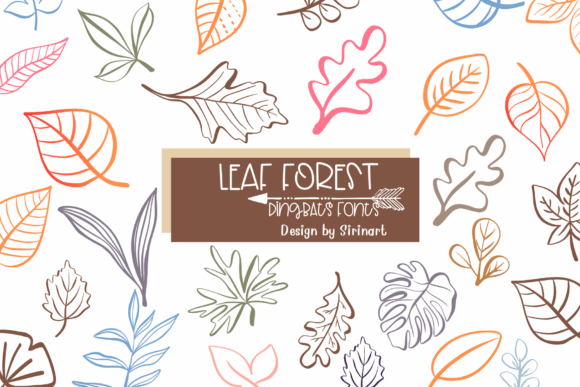
The real power of a dingbat font like this is its versatility across projects. In logo design or packaging design, a single glyph can become a memorable brand mark or a repeated pattern. Imagine a small, stylized leaf from the font used consistently on a product label, a business card, and a website favicon. That's brand consistency in action. For web design and social media graphics, these elements are perfect for creating custom bullet points, section dividers, or call-to-action highlights that break the monotony of standard text.
For crafters and hobbyists, it's a playground. Use it to design unique invitations, add flair to scrapbook pages, or create custom monograms. Small business owners can leverage it for thank-you cards, packaging seals, or email newsletter headers, adding a personal touch that builds customer loyalty. The key is thinking of Decorative Elements not as a font for writing sentences, but as a library of design assets ready to be deployed.
Choosing and Using Decorative Elements Wisely
Integrating any premium font requires thoughtful consideration. Start by evaluating the project's tone. Decorative Elements works best when your overall aesthetic is polished, modern, or elegantly playful. It might clash with a very industrial or minimalist brutalist design. Next, test font pairing. Because it's a dingbat font, it pairs beautifully with clean typefaces. Try it alongside a neutral sans serif font for a contemporary look, or with a classic serif font for a more traditional, editorial feel. The contrast is what makes it pop.
Always review the full character map. A well-designed set like Decorative Elements will include a range of symbols—ornaments, borders, icons—that you can mix and match. Pay close attention to readability; these symbols should enhance, not obstruct, your message. Use them sparingly as accents. Finally, check the commercial font licensing. For any business use—from a client's logo to merchandise—you need to ensure the license covers your intended application. This due diligence protects your work and upholds professionalism.
In the end, Decorative Elements is more than just a fun extra. It's a strategic tool for adding depth, guiding attention, and reinforcing brand identity in a crowded visual landscape. By using it with intention, you transform ordinary layouts into memorable experiences that resonate with your audience.